
Decide which HDMI path you are using.
- TV apps and devices connected to the TV
- Use ARC/eARC to send television audio back to the soundbar through the labeled TV port.
- An external player connected to the soundbar
- Use a separate soundbar HDMI IN if provided, then its HDMI OUT to the TV. Check video passthrough capabilities.
- TV or bar without ARC/eARC
- A normal HDMI input does not automatically provide returned TV audio. Use another mutually supported audio connection if necessary.
Set up the TV audio-return connection.
Read the port labels on both devices
Locate the TV's ARC/eARC HDMI port, including on a One Connect box if that model uses one. Find the soundbar's port labeled HDMI OUT (TV-ARC), TV eARC or equivalent. Do not use its ordinary HDMI IN for this return-audio route.
Connect the cable and power the equipment
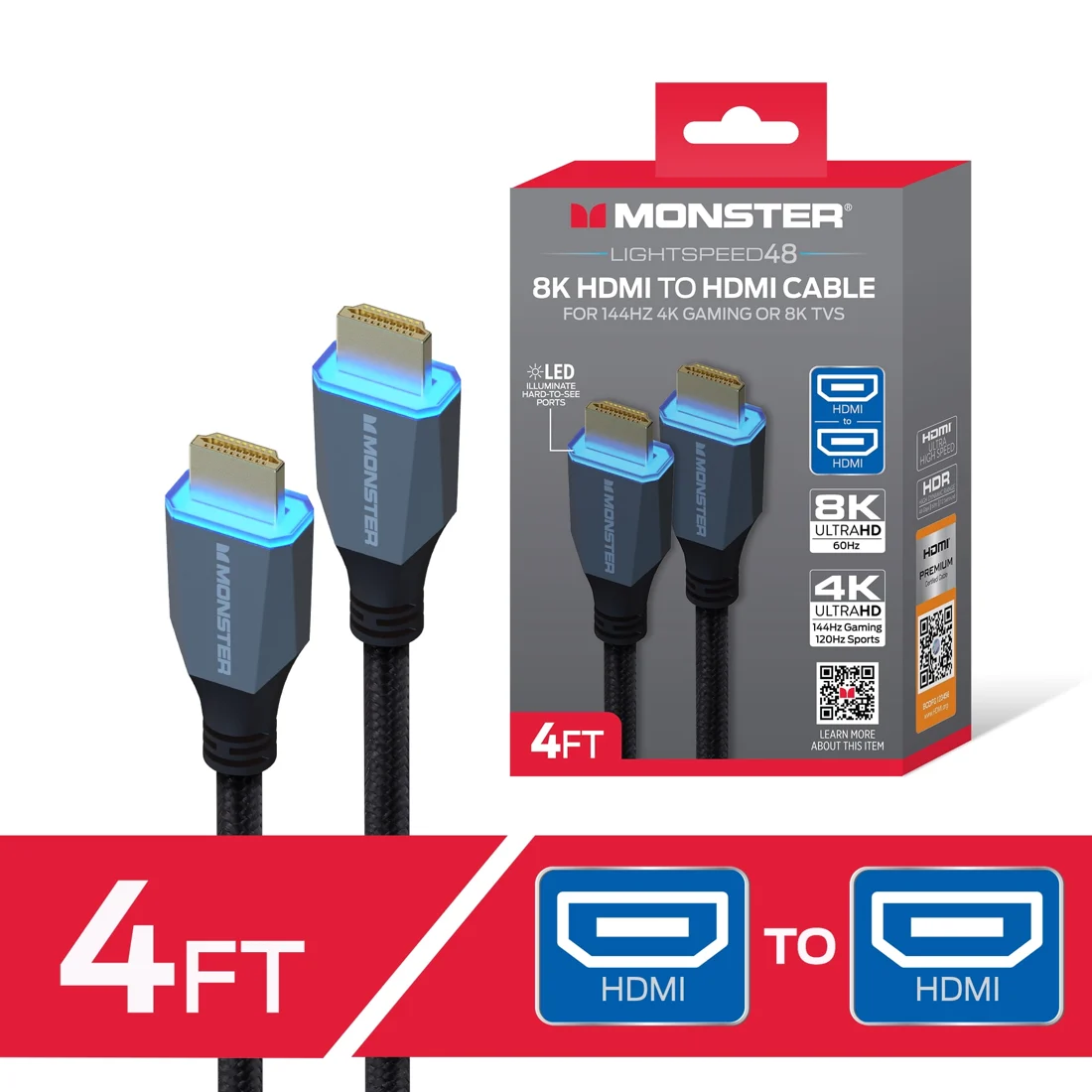
With devices off, connect the two labeled ports using a suitable HDMI cable, preferably the supported supplied cable. Avoid switches and adapters for the initial test. Turn the equipment on and select the corresponding input on the soundbar.
Enable Anynet+ and choose Sound Output
On many Samsung TVs, Anynet+ is under Settings, General, External Device Manager. Newer menus may place device settings elsewhere, so check the model manual. Enable Anynet+ and select the HDMI receiver or soundbar under Sound, Sound Output when available.
Enable eARC only for a supported pair
For a TV and soundbar that support eARC, open Sound, Expert Settings, HDMI eARC Mode and choose Auto. Samsung soundbars described in its guide use D.IN and then show TV ARC or TV eARC when linked. Other brands can use different input names and indicators.
Test a TV app, then external sources
Start with ordinary dialogue from a TV app and confirm volume control. Then test each HDMI player or console. Check the supported audio format at every stage before enabling advanced output. A successful stereo test establishes the connection, not support for every surround format.
Find the symptom. Check the cause.
Sound stays on the TV speakers
Recheck Sound Output, the ARC/eARC labels and the bar's chosen input. Confirm Anynet+ is enabled where required. Restart the devices normally and test one direct cable before changing multiple audio settings.
The bar displays HDMI instead of TV ARC
You may have selected its external-source HDMI input rather than the TV return-audio input. Follow that bar's input procedure. On supported Samsung bars, D.IN is the starting selection for the ARC/eARC route described by Samsung.
One source is silent while TV apps work
The cable return path is functioning, so inspect the source's output format and the TV's passthrough support. Try a mutually supported format as a diagnostic step. Do not assume the TV passes every codec merely because eARC is enabled.
eARC capability is not a promise about every codec.
eARC provides more audio bandwidth than ARC, but the TV, source and soundbar still need to support the desired format. Some streamed Dolby Atmos can travel through compatible ARC setups, while high-bandwidth lossless formats have different requirements. Check the actual format rather than treating all Atmos delivery as identical.
A soundbar receiving video from a console also needs suitable video passthrough. If it limits the required gaming mode, a direct TV connection with a supported audio-return route may be preferable. For a Vizio bar, see the Vizio connection guide.
Checks that make this work.
Use the return-channel ports
Connect the TV's HDMI port marked ARC or eARC to the soundbar's HDMI OUT or TV ARC port named in its manual. A normal HDMI input on the television may not return TV audio. Select the external speaker output and enable the relevant HDMI-CEC or ARC setting when the model requires it. Test a built-in TV app first. Samsung's soundbar connection guide and Samsung Canada's ARC instructions show examples; follow the exact labels on your equipment.
Check sound and remote control separately
If the soundbar plays audio but the TV remote does not change volume, review CEC and system-audio-control settings before replacing the cable. If there is no audio, confirm the TV sound output, selected bar input and ARC ports. Samsung's no-sound troubleshooting provides a symptom-based check, while its remote-control guide explains supported volume control. eARC capability and audio formats depend on both devices and the source. Start with a simple program and add advanced format settings after basic sound works.
Model-aware instructions.
This guide is based on manufacturer and platform support material reviewed on November 4, 2026. We distinguish common steps from model-specific requirements and link relevant official guidance in the FAQs.
Menu names, app interfaces and supported features can change. Use the manual for your exact model when it differs from a general procedure. This is researched guidance, not a claim that we tested every television, app or accessory described.
A little more clarity.
Which Samsung TV HDMI port connects to a soundbar?
Use the port labeled ARC or eARC, not a guessed input number. Connect it to the soundbar's labeled TV audio-return port. Samsung's soundbar setup guide distinguishes this from connecting an external player through a bar's HDMI input.
What is Anynet+?
Anynet+ is Samsung's name for HDMI-CEC control. It helps compatible connected devices coordinate functions such as power and volume. Samsung's ARC/eARC setup guidance uses it, but supported behavior still depends on the TV, soundbar and their settings.
How do I turn on Samsung HDMI eARC?
On supported models, enable Anynet+ and set HDMI eARC Mode to Auto under Sound or Audio, Expert Settings. Samsung's eARC instructions describe the common route. Confirm both devices support eARC and consult the model manual for menu differences.
Does the soundbar have to be Samsung?
No. Compatible HDMI ARC/eARC audio can work across brands. Matching-brand features such as coordinated TV and soundbar speakers may require specific combinations, but ordinary audio return and supported HDMI control do not inherently require matching logos.
Can I use HDMI IN on the soundbar for TV audio?
An ordinary HDMI IN normally accepts an external source such as a player. Returned TV sound uses the bar's port specifically labeled for TV ARC/eARC, often combined with HDMI OUT. Follow the port diagram for the exact bar.
Why is there no Atmos even though eARC is on?
Check the title, app, subscription where relevant, source output, TV passthrough and soundbar decoding support. eARC only provides a transport capability. It cannot turn stereo content into the original Atmos mix or add a codec the equipment cannot decode.
 Use a Vizio soundbar
 Choose the cable
 Check TV software